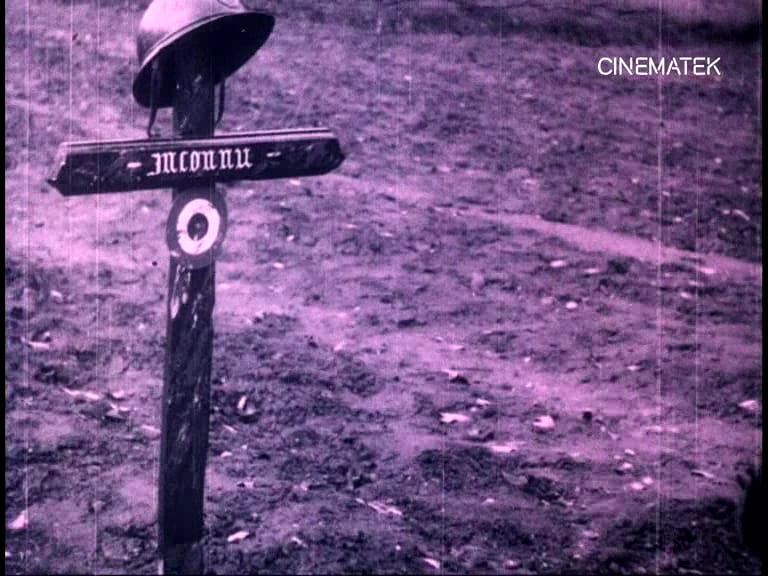
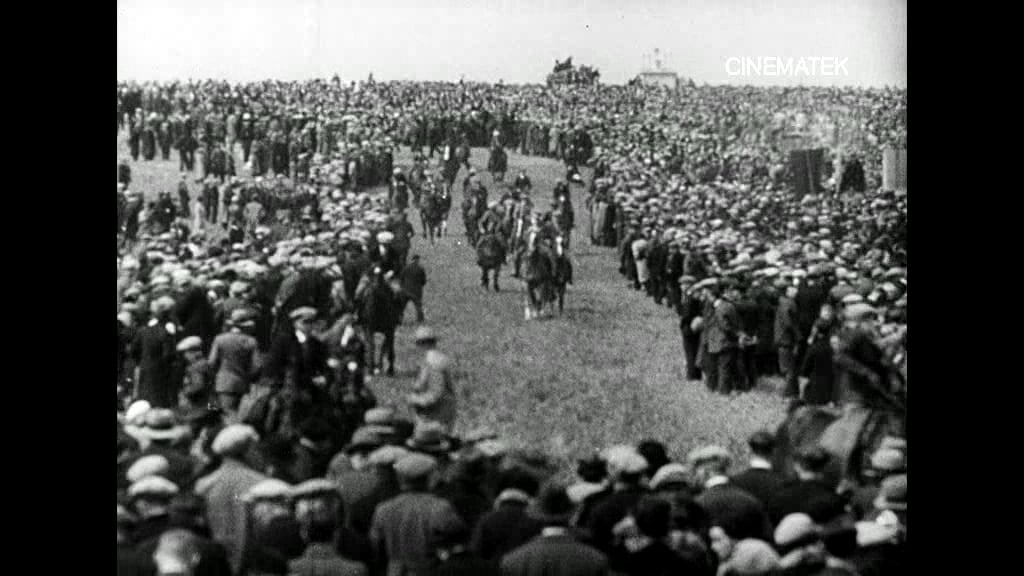
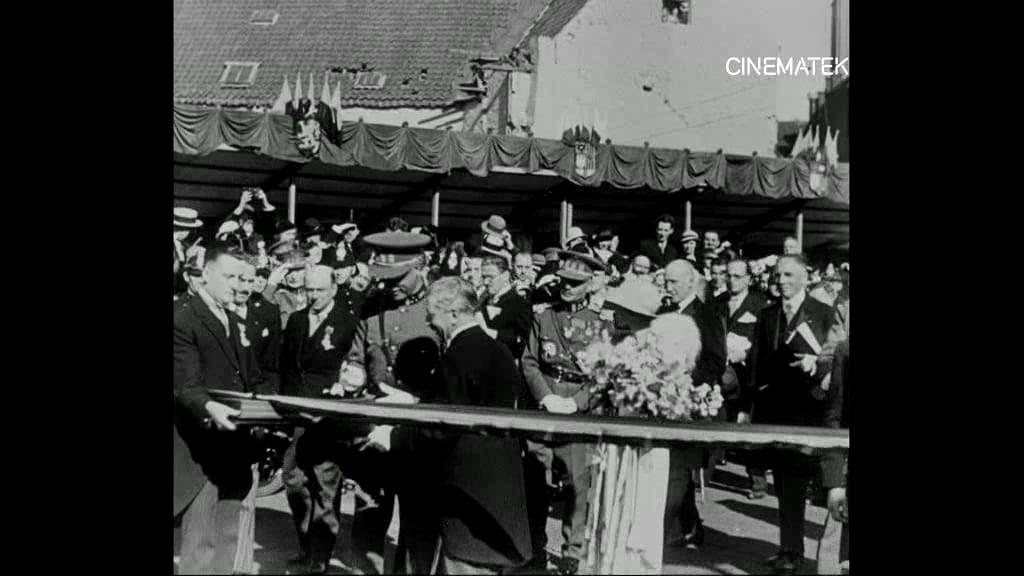
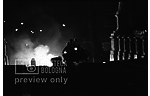
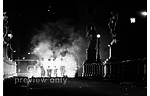
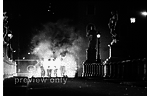
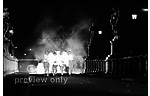
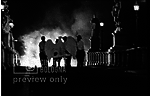
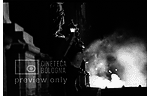
Inauguration ceremony for the Unknown Soldier monument, after World War One.
Concerns the First World War. The images are authentic and made by the film service of the French army. Shots showing the proceedings of the war in various places in France and Belgium, such as Reims...
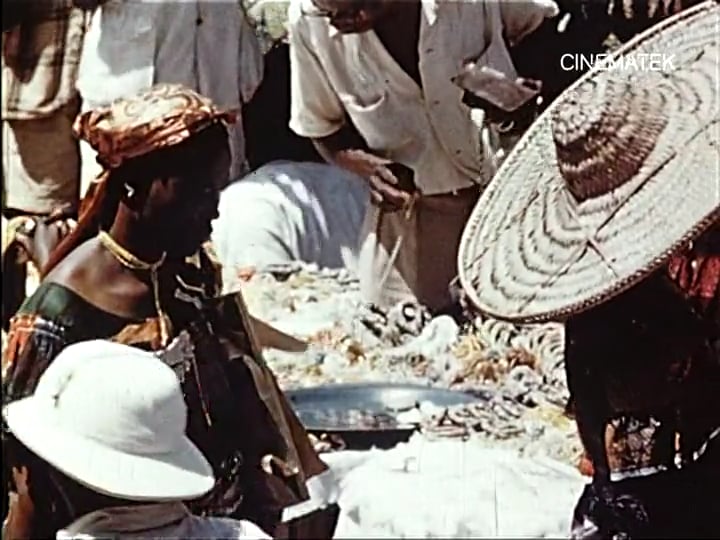
Report on Leopoldville, former capital of Belgian Congo.
Documentary on the rich historical past of Belgium, concerning its processions and its carnivals.
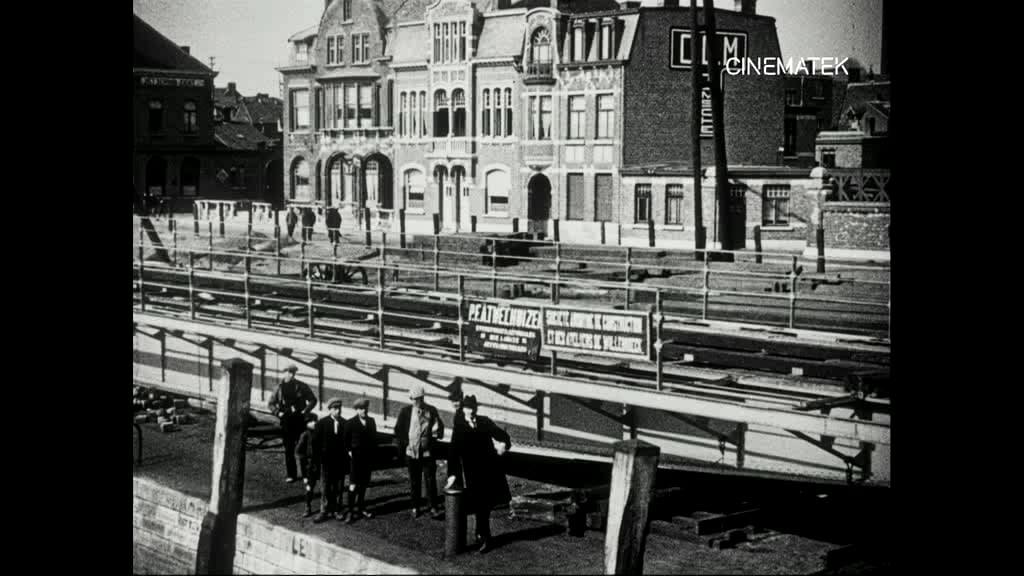
Collection of news facts about Belgium shot by Dekeukeleire, commissioned by Gaumont.
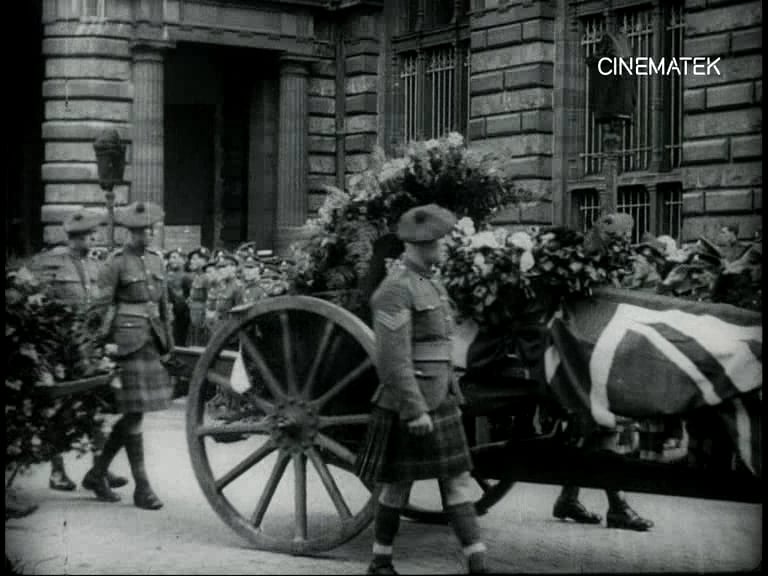
News report about the memorial service, held in Bruges and Antwerp, following the repatriation of the remains of Charles Fryatt, an English captain accused, condemned and shot by the Germans for pirac...
News footage filmed almost entirely by Ernest De Bock, a printer who ran the Gaumont cinema in Temse. He filmed local events, edited them and did the inter-titles. A second cameraman worked on the fil...
1 - repertorio di tutto un anno
2 - lavoratori nel Polesine ritornano alla normalità
3 - allagamento del 1951
4 - costruzione di nuove case sia nel Polesine che in Calabria
5 - me...
Cinema italiano - Scena - Persone
Cinema italiano - Scena - Persone - Fascismo
Vertrag CCC-Film
Blaschitz, Hilda. "Zum Richard-Wagner-Film." Bild & Film. Zeitschrift für Lichtbilderei und Kinematographie III,2 (1913/1914): 45-46. Blaschitz freut sich darüber, dass der Film "Richard Wagner" in ...
O.Th. Stein, Ausländerei im Film, Film und Lichtbild, 4, (1914), S. 50-52. Der Artikel beklagt die herausragende Stellung französischer Firmen, auch bei der Erstellung von Aufnahmen, die deutsche Na...
Walter Thielemann, Der Film 1917, Der Kinematograph, 573, (1917), S. 12ff. Jahresrückblick. Positiv hervorgehoben wird die immer breitere Anerkennung, die dem Kino zuteil werde, da der immer mehr sei...
R. Genenncher, Der Film als Agitationsmittel, Der Kinematograph, 628, (1919), S. 7-8. Der Gebrauch des Films zur Propagierung politischer Ansichten sei an und für sich eine Vergewaltigung der Kunst. ...
Der soziale Film, Der Kinematograph, 630, (1919), S. 14. Rezension zu "Mutter Erde" von Johannes Gaulke und Heinrich Ilgenstein.
Jean Th. Lommen, Film- und Kinoschund, Der Kinematograph, 690/91, (1920), S. 35-41. Die Presse äußere sich vor allem negativ über den Film. Die Kritik der Kinogegner richte sich vor allem gegen Kri...
Der ausländische Film in Deutschland, Der Kinematograph, 627, (1919), S. 7-8. Prognose, dass zwar der Anteil ausländischer Filme in Deutschland zwangsläufig wieder höher werde, aber nie wieder ein...