The film shows a gathering in the city of Lillehammer in Norway by farmers from Gudbrandsdalen. We also visit several places in Gudbrandsdalen before returning to the farmers' association's gathering ...
The film shows a football match, probably an international match, on the newly opened football field Gressbanen in Oslo. Some private family shots follow the football scenes.
01. Zwischentitel: Berlin: Erbeutete Pferde, welche für das Heer nicht brauchbar sind, werden versteigert. Bild: Pferde werden vor der Versteigerung begutachtet. 02. Zwischentitel: Russland: Wirkun...
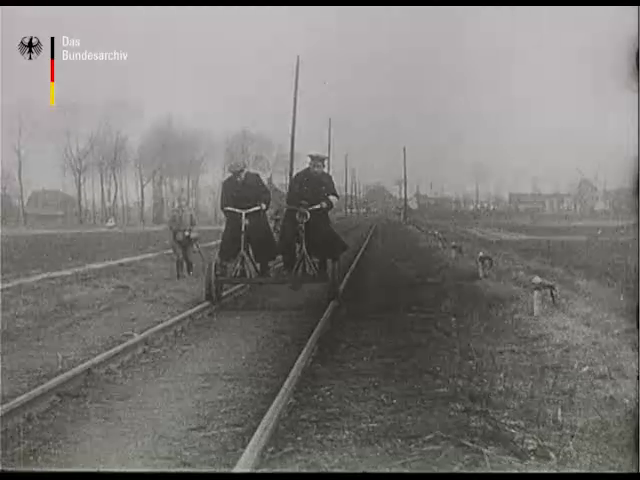
Various news items about the First World War, compiled for home projection. Optimism and emphasis on international collaboration, remains preserved and the more gruesome or embarrassing war images wer...
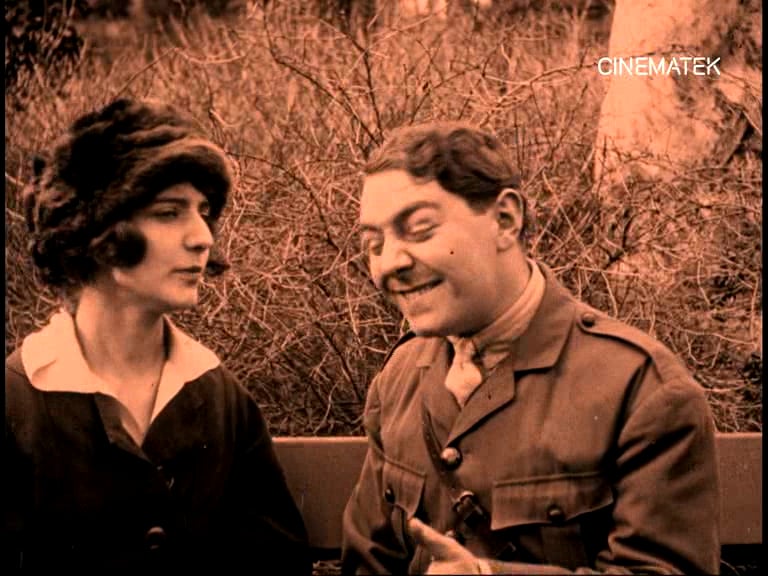
Georges Lordier would direct more than 300 songs on film. Here about a soldier, falling in love with a girl. He flirts with her and later, on his room, he dreams about her while writing a letter.
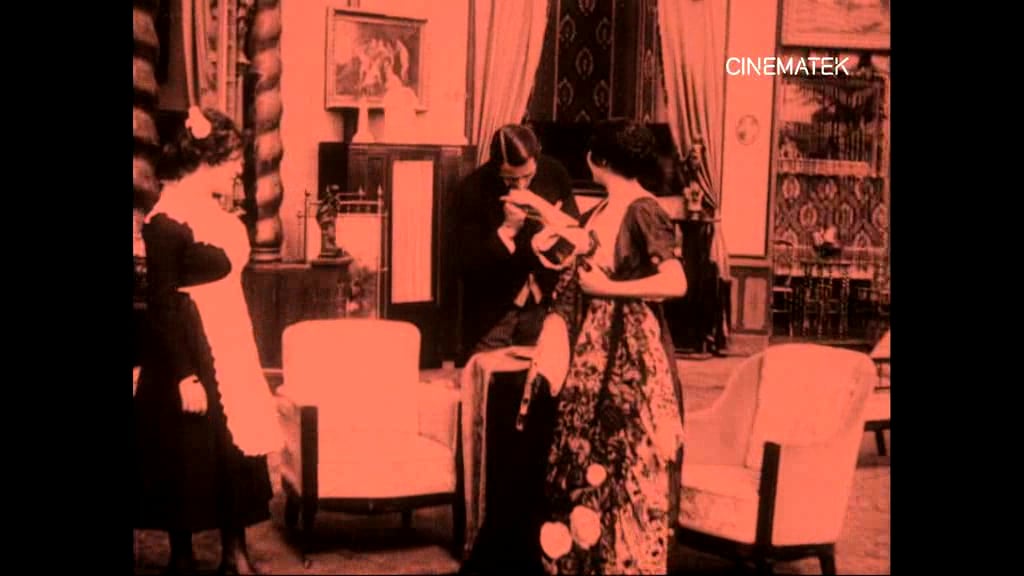
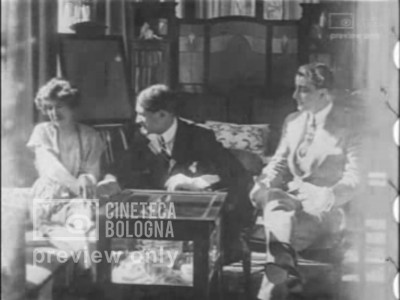
An unidentified (and unfortunately incomplete) exotic melodrama, tends towards De Mille's The Cheat. Considered by specialists as a German film.
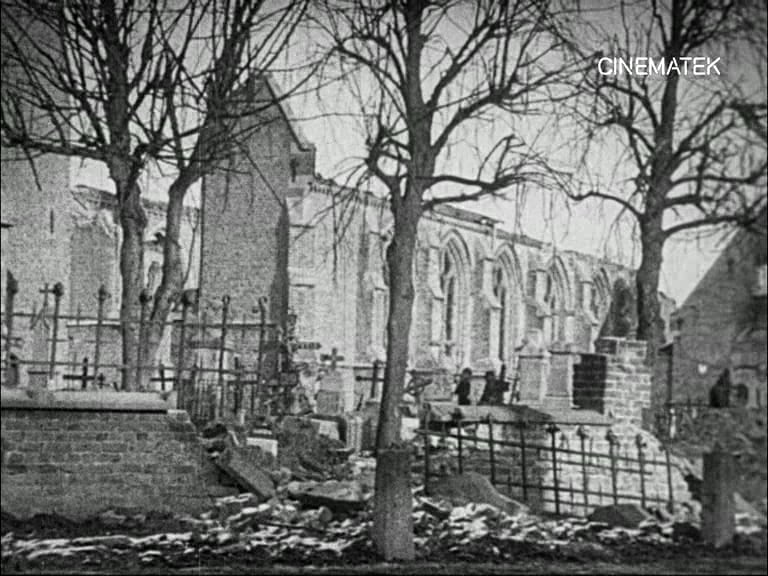
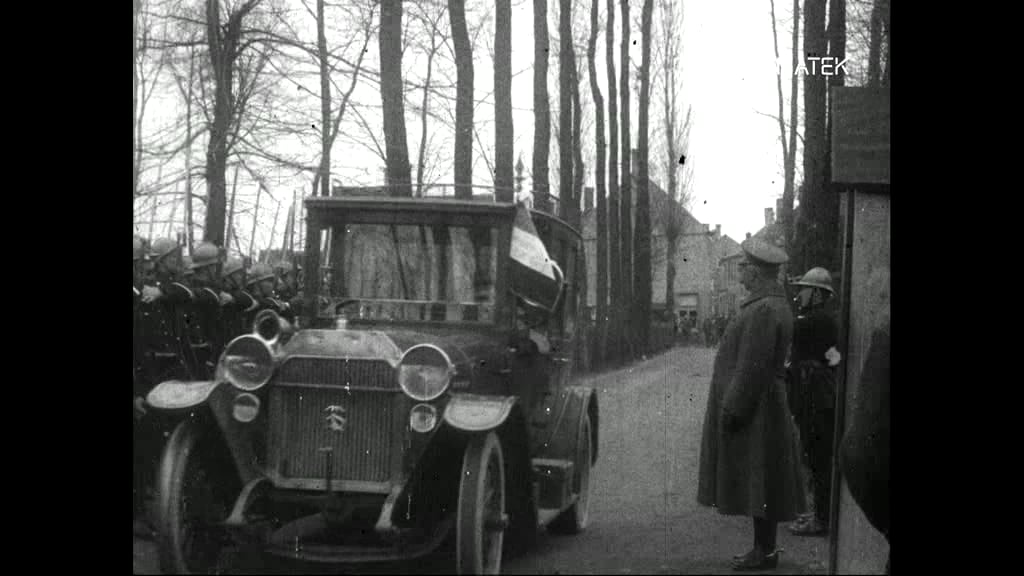
Newsreel item on the visit of the French statesman Georges Clémenceau, visiting the frontlines in Belgium.
Newsreel item on the visit of the French statesman Georges Clémenceau, visiting the fr...
Frammenti della versione cinematografica del celebre feuilleton di Carolina Invernizio.
Three Russian soldiers sit on the bench and sing.
Tomáš Garrigue Masaryk - the 1st President of Czechoslovak Republic - contemplates.
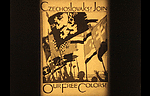
An illustrative part: Poster with the slogan: "Czechoslovaks! Join our free Colors!" and flags with provincial emblems.
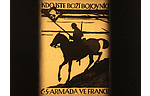
An illustrative part: Poster with the slogan: "The God´s fighters - Czechoslovak army in France" and soldier on horseback with Hussite flag.
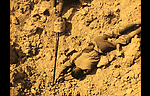
The battle of Zborov: Dead soldier and rifle with bayonet stuck in the ground.
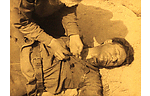
Wounded Tomeš.
Austrian soldier with a rifle lying in the trench. A hand-grenade is in front of him.
An Austrian soldier in underwear, three Russian soldiers around him.
Frankemölle, Wenzel. "In diesem Zeichen wirst du siegen." Bild & Film. Zeitschrift für Lichtbilderei und Kinematographie III,2 (1913/1914): 45-45. Frankemölle lobt den Historienfilm "In hoc signo v...
Spectator. "Der heutige Stand der Kinoreform." Bild & Film. Zeitschrift für Lichtbilderei und Kinematographie III, 3/4 (1913/ 1914): 49-56. Der Autor warnt vor den Gefahren, die vom Kino ausgingen un...
Häfker, Hermann. "Sind die 'kleinen' Kinotheater der Reform schädlich?" Bild & Film. Zeitschrift für Lichtbilderei und Kinematographie III, 3/4 (1913/1914): 58-60. Häfker geht davon aus, dass die ...
Schumacher, Carl. "Zur 'Kinodramatik'." Bild & Film. Zeitschrift für Lichtbilderei und Kinematographie III, 3/4 (1913/1914): 63-64. Schumacher stellt die Abwesenheit von Dialogen als das Hauptproblem...
O. Verf.. "Kino-Kritik." Bild & Film. Zeitschrift für Lichtbilderei und Kinematographie III, 3/4 (1913/1914): 68-69. Obwohl immer wieder Forderungen nach der Hebung des Niveaus im Kino laut würden, ...
O. Verf.. "Das Kinoplakat." Bild & Film. Zeitschrift für Lichtbilderei und Kinematographie III, 3/4 (1913/1914): 70. Meldung über die zunehmende Hebung des Niveaus von Kinoplakaten. Statt auf grelle...
O. Verf.. "Die Kinematographie auf dem 85. Naturforschertag in Wien." Bild & Film. Zeitschrift für Lichtbilderei und Kinematographie III, 3/4 (1913/1914): 70-71. Meldung über den Einsatz von Filmen ...
O. Verf.. „Polizeiverordnung für das Rheinland.“ Bild & Film. Zeitschrift für Lichtbilderei und Kinematographie III, 3/4 (1913/1914): 72-73. Meldung über den Einsatz von Filmen als illustrieren...