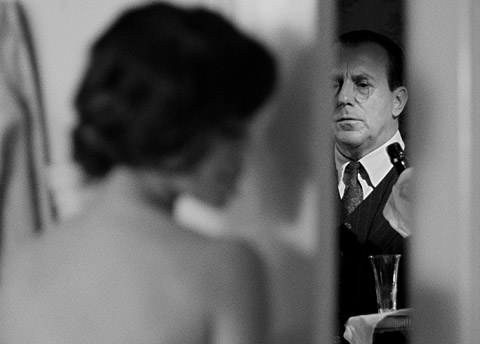
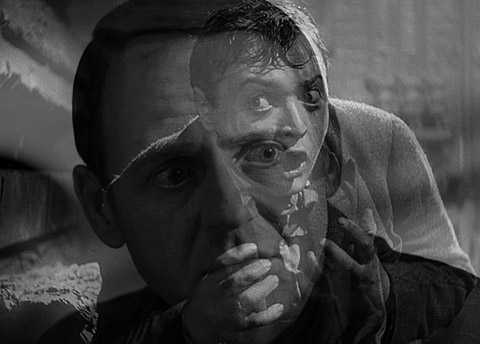
Germany, the year 1930: With his epic "Nibelungen" movies and the futuristic spectacle "Metropolis", filmmaker Fritz Lang has created instant classics of silent cinema. Now he is eager to make his fir...
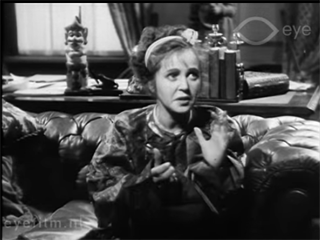
Dutch film version of G.B. Shaw's celebrated play about a language professor's attempts at turning a flowergirl into a lady. Linguist Henry Higgins has bet his friend colonel Pickering that his elocu...
Anna from West Germany and Philipp from East Berlin get to know each other and fall in love at a church youth meeting in East Germany in 1984. When Anna returns home, the only thing left for them to d...
During his mission to infiltrate a right-wing organisation, undercover agent Daniel (Frederick Lau) shoots two skinheads. The incident is covered up, but Daniel is haunted by his conscience. He wants ...
The video shows the first five minutes of the film. Film synopsis: Filmic biography of the author and Nobel Peace Prize winner Bertha von Suttner whose novel "Die Waffen nieder" (1899) had caused a st...
Family Idiots Artist Heli is 40 years old and wants to start over. In the last few years she has been busy taking care of her 26-year-old sister Ginnie, who is mentally challenged even though this is ...
Magical Mystery – or: The Return of Karl Schmidt Adaptation of Sven Regener's eponymous novel. Germany in the mid-1990s: Karl Schmidt is released from a psychiatric clinic: The artist, once an avid ...
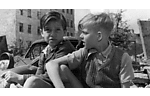
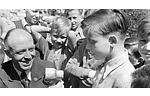
Charles Brauer, Hans Trinkaus (v.l.n.r.)
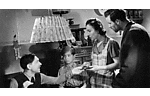
Walter Bluhm, Charles Brauer, Hedda Sarnow, Harry Hindemith (v.l.n.r.)
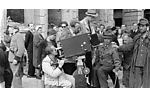
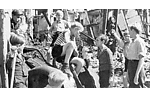
Gerhard Lamprecht (vorne, 2.v.r.), Harry Hindemith (rechts) bei den Dreharbeiten
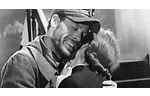
Harry Hindemith, Hedda Sarnow
Gerhard Lamprecht (links) bei den Dreharbeiten
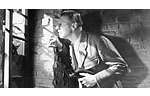
Fritz Rasp
Szene aus "Irgendwo in Berlin"
Charles Brauer
The film "Die Geschlechtskrankheiten und ihre soziale Bedeutung. Ausgabe für Frauen" was permitted by the censorship office in Berlin. However the film was permitted to be shown only for closed scree...
Shooting permit for "Mädchen in Uniform" on the premises of the Jagdschloss (hunting seat) Klein Glienicke.
Letter from Baupolizeiamt (building authorities) Tiergarten Berlin to CCC, 05 September 1952 regarding the shooting for "Die Spur führt nach Berlin" into the ruin of the former Reichstag in Berlin.
Die Filmwoche, 51
Die Filmwoche, 10/9
Film Prüfstelle in Berlin qualified the film "David Golder" for public screening in Germany - ban for young people.
The film "Die rote Marianne" was banned by the censorship office in Berlin.